 how-to
Café Health and Safety Checklist: Essential Items
Table of Contents
- Daily Café Health and Safety Checklist
- Café Food Hygiene Checklist and Opening Procedures
- Food Safety Temperature Log and Café Cleaning Schedule Template
- Frequently Asked Questions
Last Updated: October 11, 2026
Daily Café Health and Safety Checklist
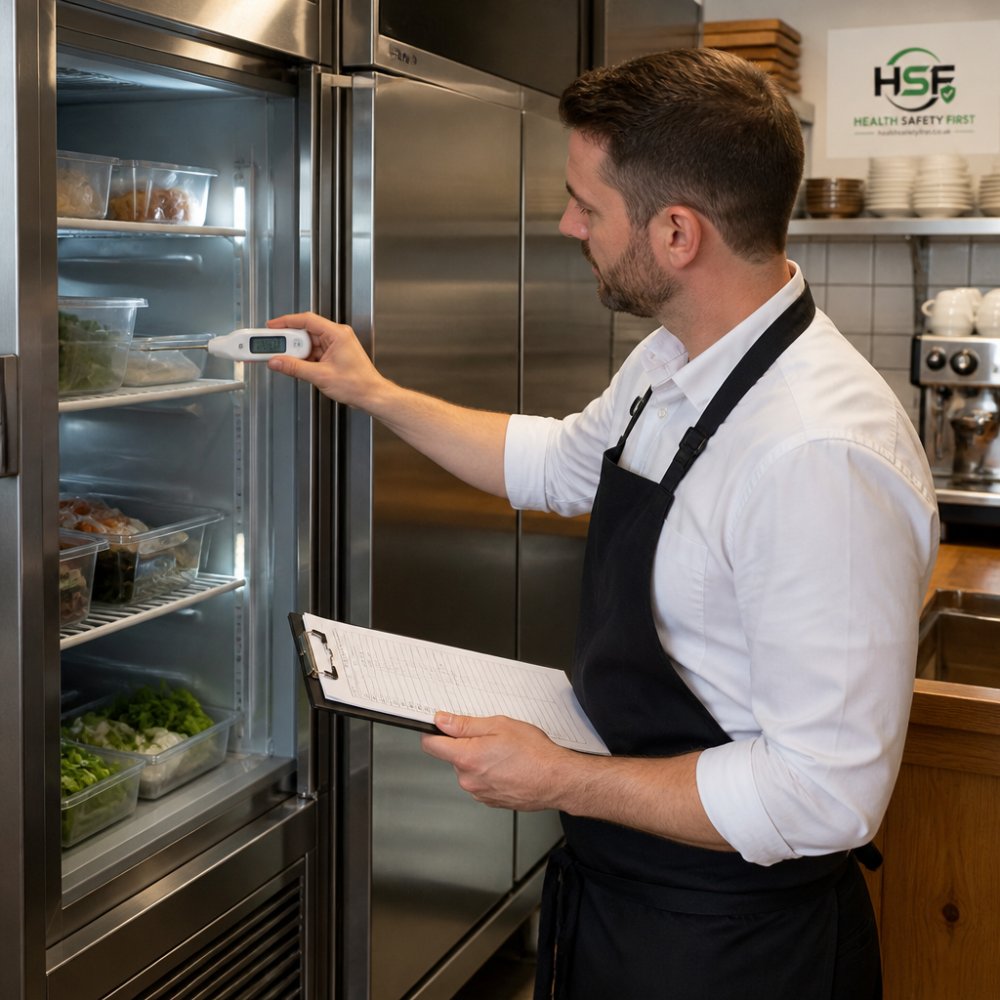
A café health and safety checklist is your daily record of essential safety tasks. Each morning, check refrigeration temperatures (freezers at -18°C or below, fridges between 1°C and 4°C), inspect equipment for damage, clean prep surfaces, verify fire exits are clear, and ensure handwashing stations have soap, hot water, and clean towels. Review stock rotation daily and discard anything past its expiry date.
Café Food Hygiene Checklist and Opening Procedures
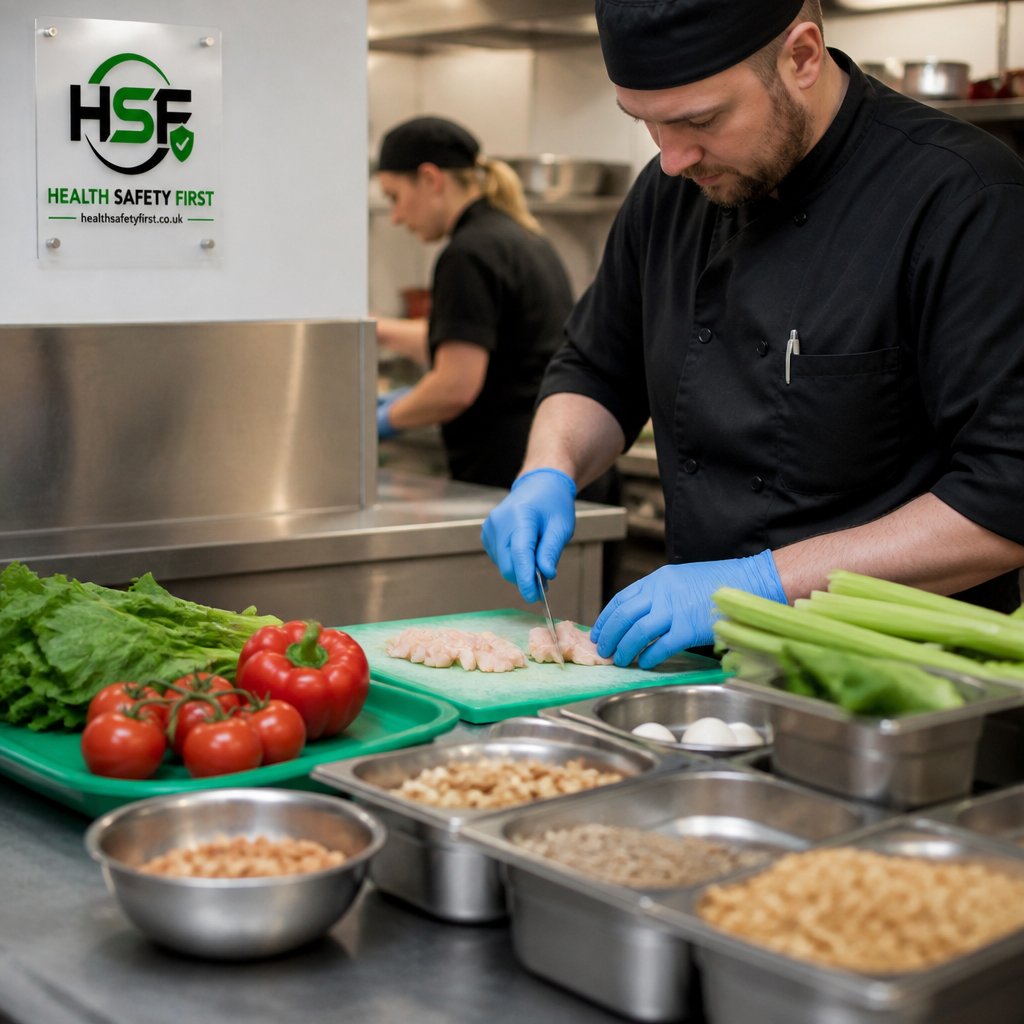
Your café food hygiene checklist prevents cross-contamination and foodborne illness.
Store raw meat on the lowest shelf, fish below poultry, and ready-to-eat items on top shelves. Wipe prep surfaces with hot soapy water and sanitise chopping boards using separate colour-coded boards for meat, fish, and vegetables. Inspect deliveries immediately for temperature and damage. Clean your ice machine weekly, test hot water reaches at least 60°C at the tap, and use bins with tight-fitting lids removed daily.
Food Safety Temperature Log and Café Cleaning Schedule Template
A food safety temperature log documents safe food storage and provides proof to inspectors. Record temperatures twice daily with time and initials; if a fridge exceeds 4°C, move food to another unit or discard it.
Your café cleaning schedule template organises daily, weekly, and monthly tasks assigned to staff.
| Task | Frequency | Person Responsible | Completed |
|---|---|---|---|
| Check fridge temperature | Daily (morning) | [Name] | ☐ |
| Check freezer temperature | Daily (morning) | [Name] | ☐ |
| Clean prep surfaces | Before each shift | [Name] | ☐ |
| Sanitise chopping boards | After each use | [Name] | ☐ |
| Empty waste bins | Daily (end of shift) | [Name] | ☐ |
| Deep clean oven and hob | Weekly | [Name] | ☐ |
| Clean ice machine | Weekly | [Name] | ☐ |
| Inspect fire extinguishers | Monthly | Manager | ☐ |
| Check door seals on fridges | Monthly | Manager | ☐ |
Keep temperature logs for at least two years for inspector verification.
Your daily café health and safety checklist protects your customers and business. Complete it consistently, train your staff, and keep records for inspector verification.
Frequently Asked Questions
What should be included in a café health and safety checklist?
A comprehensive café health and safety checklist covers food hygiene (temperature monitoring, storage, cross-contamination prevention), fire safety (exits, alarms, extinguishers), staff training records, cleaning schedules, and pest control. Include daily opening checks, hourly temperature logs for refrigeration, and documentation of any hazards or incidents. Your checklist should align with Food Standards Agency guidance and your local environmental health requirements to ensure full compliance.
How often should a café complete health and safety checks?
Daily checks are essential before opening and during service. Food temperatures must be monitored hourly or as specified by your risk assessment. Deep cleaning tasks should follow a weekly or fortnightly schedule depending on the area. Monthly checks should cover equipment maintenance and pest control. Document all checks to demonstrate due diligence to environmental health officers during inspections and to identify trends in potential problems.
What records should a café keep for food safety?
Keep temperature logs for all refrigeration units and cooking equipment, cleaning schedules with dates and staff initials, staff training certificates and induction records, supplier documentation and delivery dates, pest control reports, and incident logs. Maintain records for at least two years. These documents prove your café operates safely and help during inspections. Store them securely and ensure they're readily accessible to your team and environmental health officers when required.