 how-to
How to Label Prepacked Food for Sale: UK Guide
Table of Contents
- What You Need to Know Before Labelling Prepacked Food
- Food Allergen Labelling Requirements
- Creating a Food Labelling Checklist for Your Business
- Frequently Asked Questions
Last Updated: 12 October 2026
What You Need to Know Before Labelling Prepacked Food
Understanding how to label prepacked food for sale in the UK requires careful attention to legal requirements. Get this wrong and you face fines, product recalls, or enforcement action from local authorities.
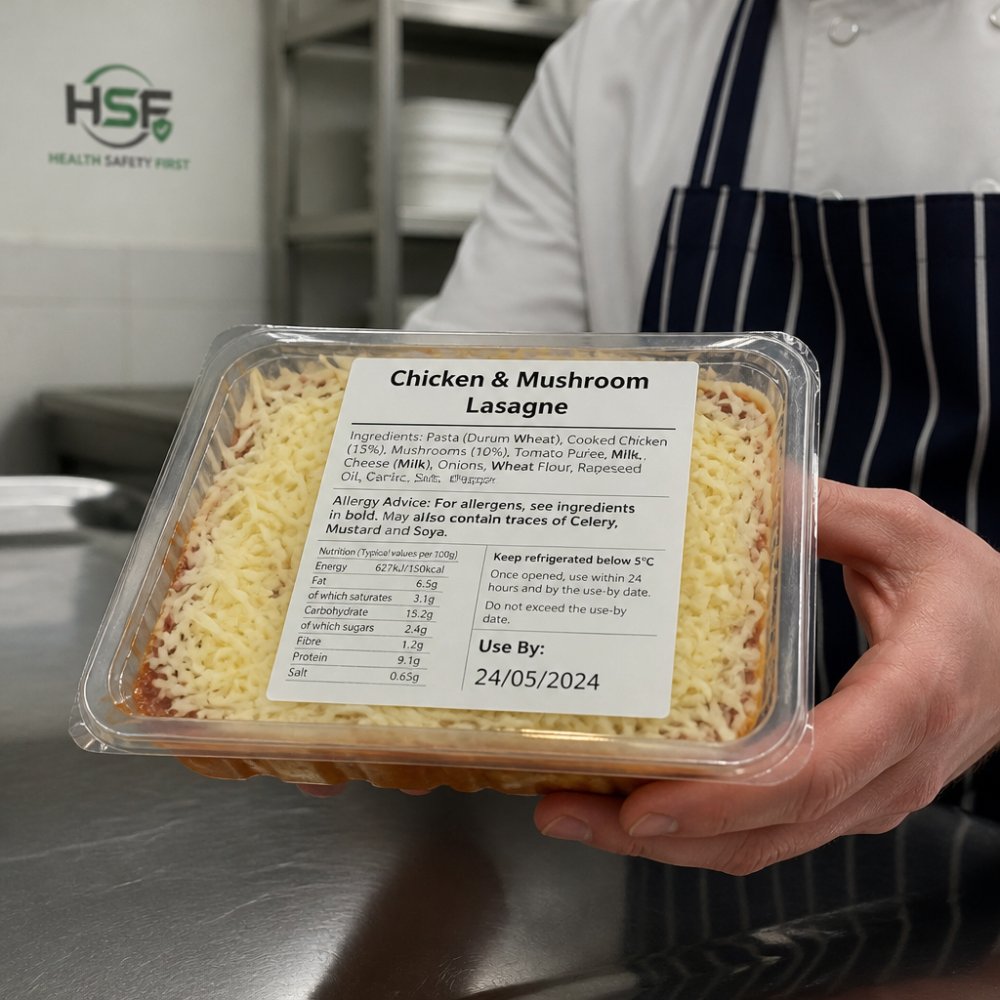
Prepacked food means any food placed in packaging before sale, including items you pack yourself in your café, restaurant, or food business.
Key rules you must follow:
- Product name must be clear and visible
- Ingredient list with allergen information highlighted
- Nutritional information (in most cases)
- Storage instructions and use-by dates
- Net quantity of the product
- Your business name and address
Food Allergen Labelling Requirements
Allergen labelling is the most critical part of prepacked food labelling. One missed allergen can cause serious harm, so the law requires you to highlight allergens clearly.
The 14 major allergens you must declare are:
- Celery
- Cereals containing gluten (wheat, barley, rye, oats)
- Crustaceans
- Eggs
- Fish
- Lupin
- Milk
- Molluscs
- Mustard
- Nuts (almonds, hazelnuts, walnuts, cashews, pecans, pistachios, Brazil nuts, macadamia)
- Peanuts
- Sesame
- Soya
- Sulphites
If your product contains any of these, list them in the ingredient list, using bold text or capitals so customers spot warnings quickly.
Cross-contamination matters too: if your kitchen handles nuts but your product doesn't contain them, you may still need a "May contain traces of nuts" warning.
Creating a Food Labelling Checklist for Your Business
Use this checklist before every prepacked product reaches customers:
- Product name clearly visible on front of label
- Ingredient list in descending order by weight
- All 14 major allergens highlighted or bolded
- Net quantity (weight or volume) stated clearly
- Use-by date or best-before date included
- Storage instructions provided
- Your business name and full address on label
- Nutrition information per 100g (if required)
- Country of origin (if not obvious)
- Any required warnings or additional info
Check each product before packing and keep a photo of your label design on file to protect you if questions arise later.
Whether you need nutrition labelling depends on your business size and turnover. If unsure, contact your local environmental health team or check Food Standards Agency guidance.
Frequently Asked Questions
What information must appear on a prepacked food label?
Prepacked food labels must include the product name, list of ingredients, allergen information (highlighted), net quantity, use-by or best-before date, storage instructions, name and address of the business responsible for the label, and nutrition declaration. All text must be clearly legible and in English. Missing any required information can result in enforcement action by local authorities.
How do I list allergens on a prepacked food label?
Allergens must be listed in the ingredients list and highlighted distinctly, typically in bold or a contrasting colour. The 14 major allergens (cereals containing gluten, crustaceans, eggs, fish, peanuts, tree nuts, milk, celery, mustard, sesame, sulphites, molluscs, lupin, and soya) must be clearly identified. If your product is made in a facility that handles allergens, you should also include a 'may contain' statement to warn consumers of potential cross-contamination.
What are the consequences of incorrect prepacked food labelling?
Incorrect or incomplete labelling breaches Food Standards regulations and can result in enforcement notices, product recalls, fines up to £20,000, or prosecution. Local authority environmental health officers conduct routine inspections. Businesses that fail to comply risk reputational damage, loss of customer trust, and potential closure. Maintaining accurate labels protects both your customers and your business.
Food labelling regulations exist to protect your customers. When you label prepacked food for sale correctly, you build trust and avoid costly enforcement action. UK Health, Safety & Fire Guide provides the resources you need to stay compliant. Review your current labelling practices against this guide, update any products that fall short, and establish a system to check every new item before sale.