 how-to
Food Allergen Requirements for Restaurants: 2026 Guide
Table of Contents
- Food Allergen Requirements for Restaurants: Legal Obligations
- Allergen Information on Menus and Labels
- Allergen Cross-Contamination in Restaurants: Prevention and Control
- Frequently Asked Questions
Last Updated: 17 October 2026
Food Allergen Requirements for Restaurants: Legal Obligations
Food allergen requirements for restaurants in the UK are a legal obligation: you must provide clear allergen information to every customer who asks. This applies to all food businesses, cafés, takeaways, hotels, catering, so you must know which of the 14 major allergens are in your dishes.
The 14 allergens list for restaurants includes: celery, cereals containing gluten, crustaceans, eggs, fish, lupin, milk, molluscs, mustard, nuts (tree nuts), peanuts, sesame, soya, and sulphites.
Staff must understand which allergens are in every dish, including how food is prepared, stored, and handled, cross-contamination can happen in seconds.
Getting it wrong risks serious allergic reactions, fines, and reputational damage.
Allergen Information on Menus and Labels
Allergen information on menus must be clear and accessible, never hidden in small print or a document customers must request.
For each dish, identify which of the 14 allergens it contains. Customers must know immediately if a dish contains peanuts or is prepared where nuts are handled.
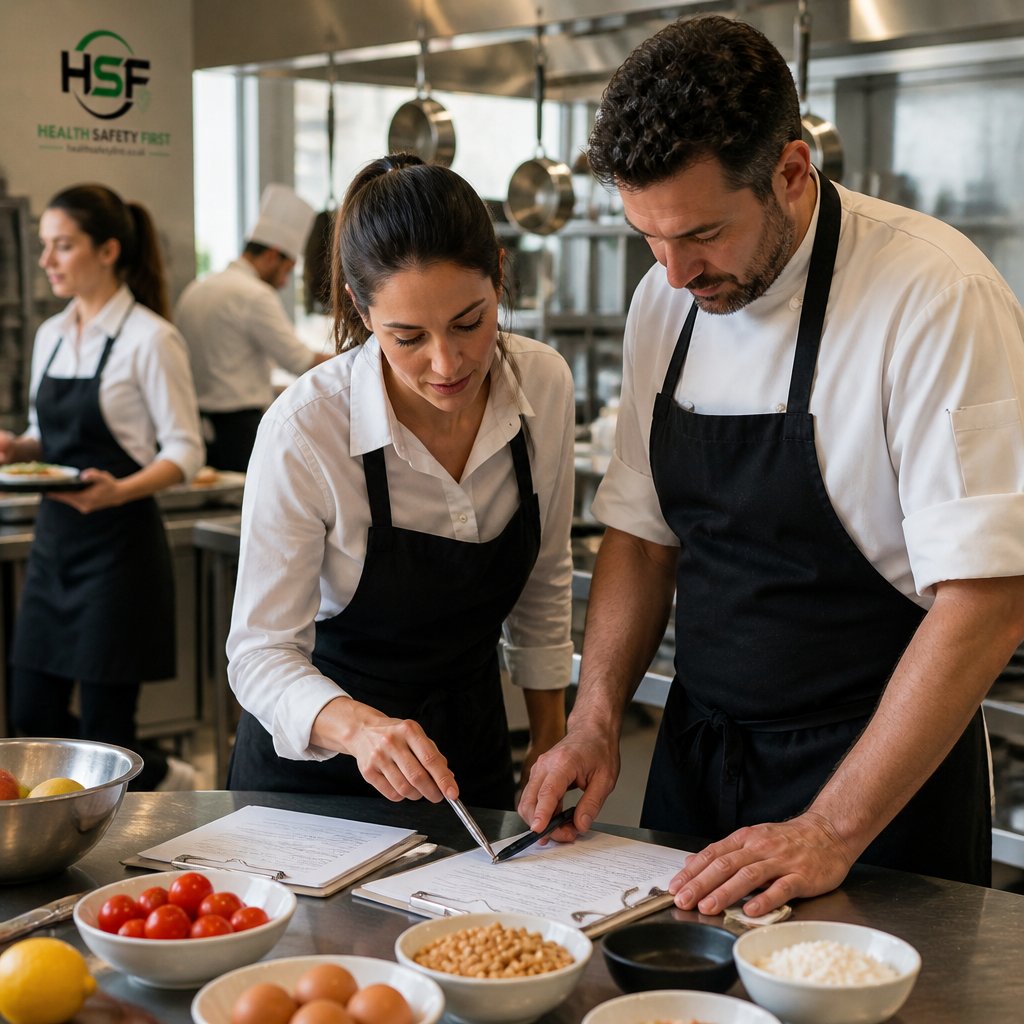
Many restaurants use an allergen matrix template for restaurants: it lists every dish and marks which allergens are present, helping staff answer questions quickly.
You can display allergen information on the menu next to each dish, via a symbol system with a key, on table cards or posters, in a separate document that's always available, or through digital menus or QR codes.
Whichever method you choose, make sure it works for all customers. Review allergen information regularly: when you change suppliers or recipes, update it immediately, don't wait for the next menu reprint.
Allergen Cross-Contamination in Restaurants: Prevention and Control

Allergen cross-contamination in restaurants happens when a small amount of allergen moves between foods via shared equipment, utensils, or airborne particles. For someone with a severe allergy, even traces can trigger a reaction.
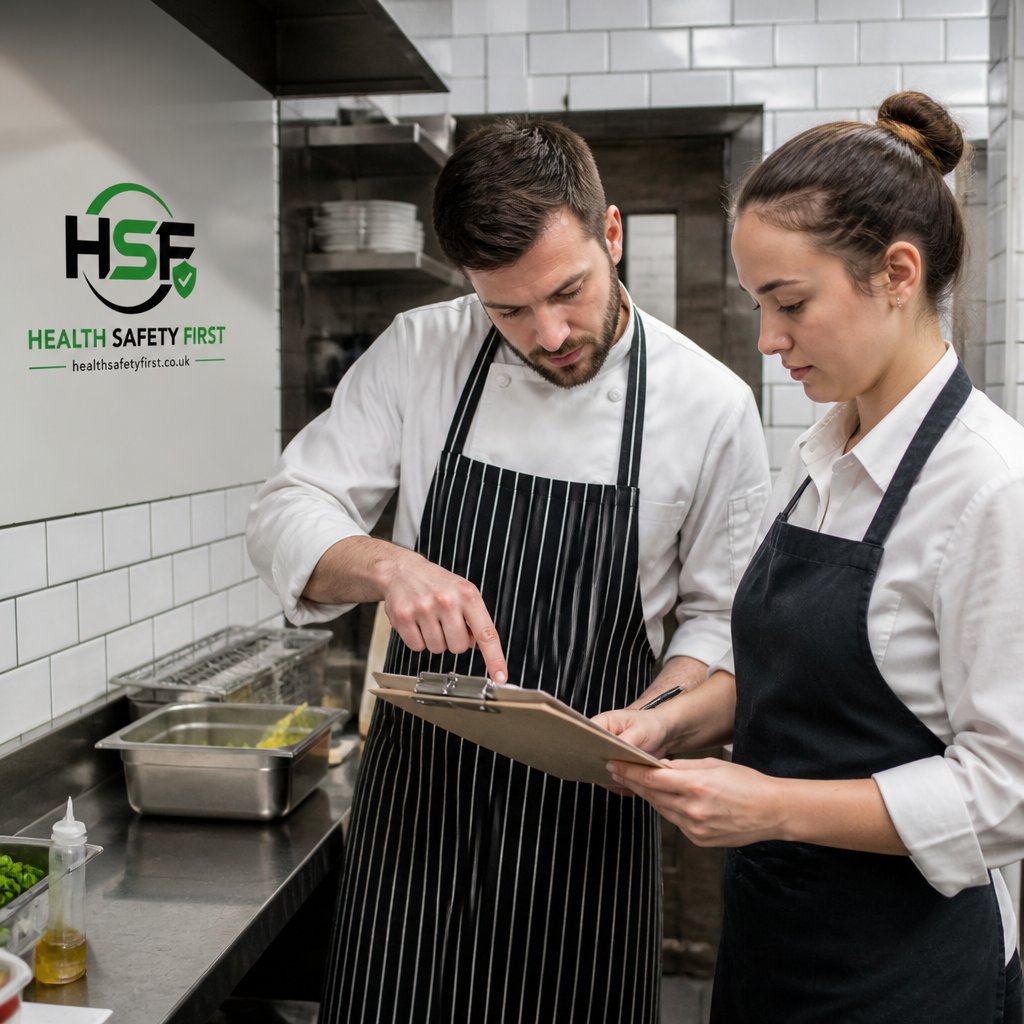
Prevention starts with physical separation: use dedicated chopping boards, knives, and preparation areas for allergen-free meals, with colour-coded equipment.
Your staff need clear procedures: wash hands thoroughly before handling allergen-free meals, use clean utensils every time, never use the same fryer oil for different foods, store allergen-containing foods separately, label everything clearly, and clean surfaces properly between tasks.
Training is essential, never assume staff understand allergen risks. Train them, test their knowledge, and remind them regularly. Document your allergen procedures in a written allergen matrix template for restaurants covering storage, preparation, cooking, and serving, and make sure every staff member knows where to find it.
According to the Food Standards Agency guidance on allergen management, restaurants must have systems in place to prevent cross-contamination. Your procedures should be documented and your team should be trained to follow them. Regular checks help catch problems before they happen.
Small independent cafés and restaurants face the same legal obligations as large chains, a small team needs simpler systems, but they still need to work. UK Health, Safety & Fire Guide provides a comprehensive, direct resource for navigating essential standards, empowering business owners and managers to achieve full compliance and foster a safe working environment, which can reduce your risk and protect your customers.
Frequently Asked Questions
What are the 14 allergens restaurants must declare?
The 14 major allergens are: celery, cereals containing gluten, crustaceans, eggs, fish, lupin, milk, molluscs, mustard, peanuts, sesame, sulphites, tree nuts, and soya. These are defined under Food Standards Agency (FSA) regulations. Your restaurant must identify these in all dishes, including those prepared fresh on-site. If your menu changes, allergen information must be updated immediately.
How should restaurants provide allergen information on menus?
You must make allergen information easily accessible to customers before they order. This can be on printed menus, displayed on boards, or provided verbally by trained staff. The FSA requires clear, legible labelling. Many restaurants use an allergen matrix template to organise this information systematically across all dishes, making it easier for customers and staff to identify risks quickly.
What steps prevent allergen cross-contamination in restaurants?
Use separate preparation areas, chopping boards, and utensils for allergen-free dishes. Train staff on allergen awareness and safe handling. Clean surfaces thoroughly between tasks. Store allergen-containing ingredients separately and clearly labelled. Implement colour-coded equipment where possible. Document your procedures and review them regularly. Cross-contamination in restaurants is a serious risk, staff must understand that even tiny traces can harm allergic customers.