 how-to
Health and Safety Procedures: A How-To Guide
Table of Contents
- What Health and Safety Procedures Are and Why They Matter
- Health and Safety Procedure Examples for Food and Beverage Operations
- Creating a Health and Safety Procedures Template for Your Business
- Frequently Asked Questions
Last Updated: 14 October 2026
What Health and Safety Procedures Are and Why They Matter
Health and safety procedures are documented steps that protect workers and customers from harm, from fire evacuation routes to food handling rules.
They keep people safe and your business legal: proper health and safety procedures meet regulatory requirements, avoid fines, reduce accidents, and build trust.
Health and Safety Procedure Examples for Food and Beverage Operations
Food businesses face specific risks, cross-contamination, allergen exposure, and burns, that your health and safety procedures must address:
- Temperature control: Log fridge and freezer temperatures twice daily; food above 5°C grows harmful bacteria.
- Hand washing: Staff wash hands before handling food, after using the toilet, and after raw meat, soap and warm water for 20 seconds.
- Allergen management: Label dishes containing common allergens and train staff to ask about allergies before serving.
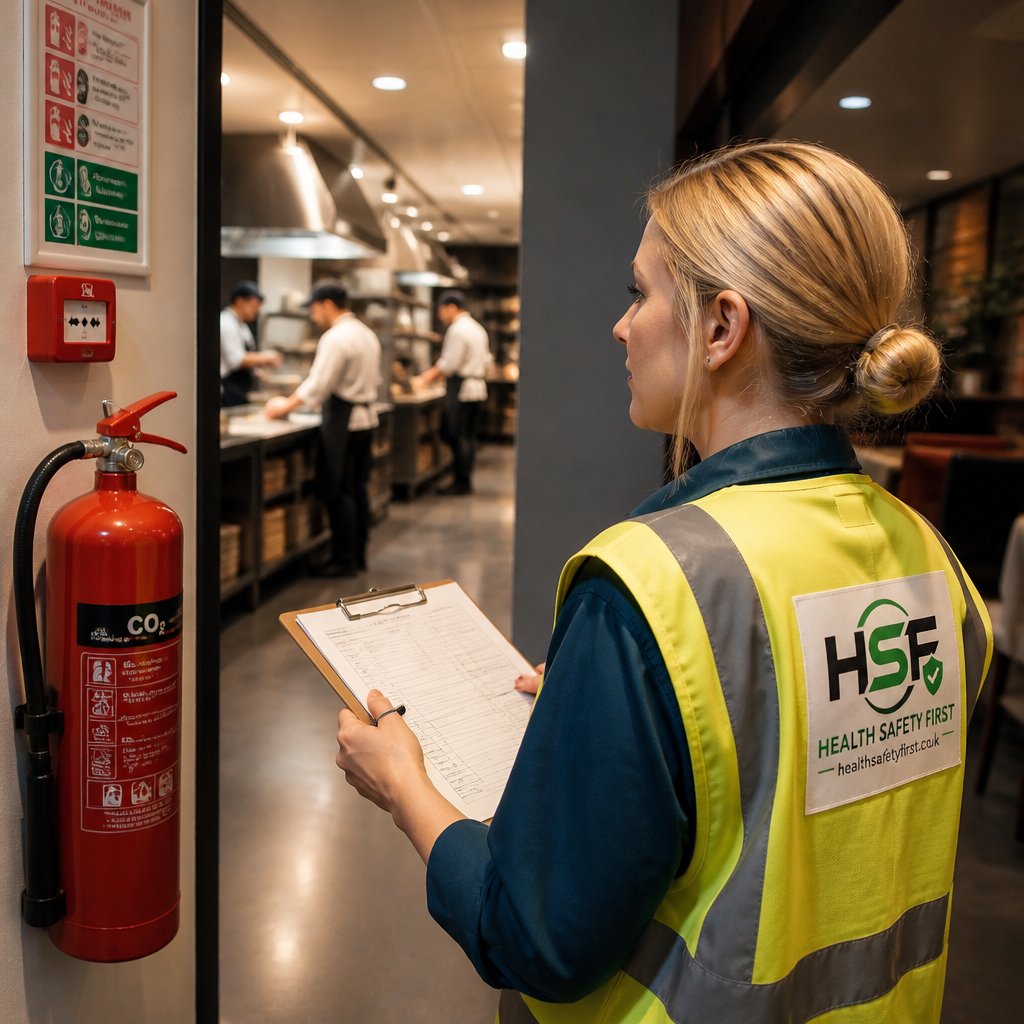
- Fire safety: Know your evacuation route, check extinguishers monthly, and train staff to use them.
- Slip and fall prevention: Clean spills immediately, use non-slip mats in wet areas, and report hazards.
These are part of UK food safety law, and your local authority expects to see them documented at inspection (Managing food safety).
Creating a Health and Safety Procedures Template for Your Business
Start simple: a clear, usable template beats a 50-page manual nobody reads. Include job role, hazard, procedure steps, frequency, and who checks it's done:
| Task | Hazard | Procedure | Frequency | Checked By |
|---|---|---|---|---|
| Fridge temperature | Bacterial growth | Check at 8am and 4pm. Record on log. | Daily | Manager |
| Hand washing | Cross-contamination | Wash for 20 seconds after using the toilet, before food handling | Each time | Observation |
| Fire drill | Staff don't know exits | Walk route together. Time the evacuation. | Quarterly | Owner |
Tailor it to your risks, a café doesn't need the same procedures as a catering company.

Small businesses often think compliance is too complicated. The truth is simpler: document what you do, train your team, and check it regularly. According to the Health and Safety Executive guidance on small business compliance, most enforcement action happens when businesses fail to document procedures, not when procedures themselves are imperfect.
Your health and safety procedures protect your people and your business. Start with your biggest risks, write them down, train staff, and review yearly or when your business changes, an approach from UK Health, Safety & Fire Guide that has helped hundreds of independent businesses stay compliant and safe.
Frequently Asked Questions
What are the key components of effective health and safety procedures?
Effective health and safety procedures include clear identification of hazards, step-by-step instructions for safe work practices, roles and responsibilities, emergency contacts, and regular review dates. For food businesses, this covers food handling, temperature control, allergen management, and cleaning protocols. Each procedure should be written in plain language, accessible to all staff, and include visual aids where helpful. Regular updates ensure procedures reflect current legislation and workplace conditions.
How often should you review and update health and safety procedures?
Health and safety procedures should be reviewed at least annually, or sooner if legislation changes, after an accident or near-miss, when equipment or processes change, or following staff feedback. The Health and Safety Executive (HSE) recommends regular review as part of your management system. For food businesses, procedures must reflect current food safety standards. Keep records of all reviews and updates to demonstrate compliance during inspections.
Who is responsible for ensuring health and safety procedures are followed?
Under the Health and Safety at Work etc. Act 1974, employers are responsible for developing and maintaining procedures, whilst all employees must follow them. Managers and supervisors play a key role in enforcement and monitoring compliance. For small independent cafés and restaurants, the owner or general manager typically oversees implementation. Everyone in the workplace shares responsibility for safety culture and reporting concerns or breaches.