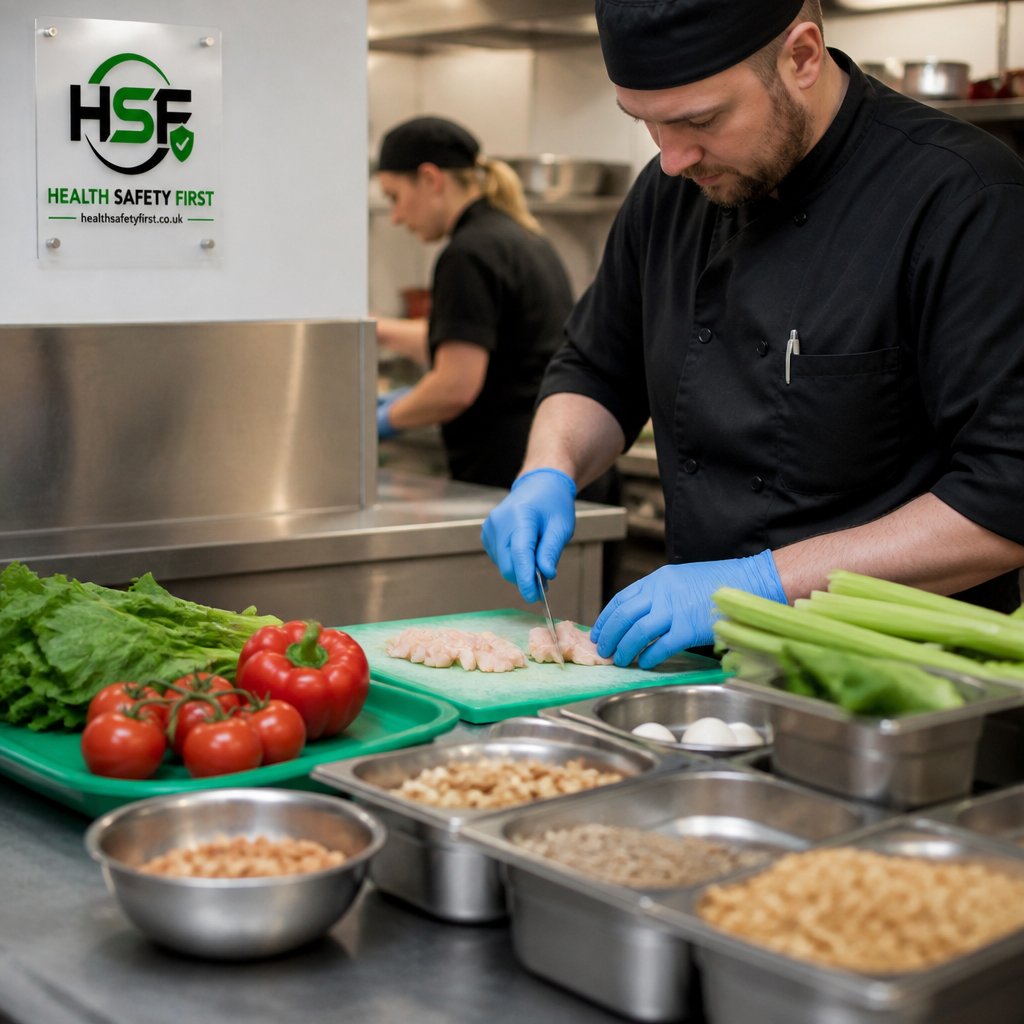
 how-to
How to Train Restaurant Staff on Food Allergens
Table of Contents
- How to Train Restaurant Staff on Food Allergens: A Step-by-Step Approach
- How Often Should Restaurant Staff Receive Allergen Training
- Common Mistakes to Avoid
- Frequently Asked Questions
Last Updated: October 12, 2026
How to Train Restaurant Staff on Food Allergens: A Step-by-Step Approach
Understanding how to train restaurant staff on food allergens is a legal requirement and critical safety measure (Running a food business: Your responsibilities).
The process involves five core steps: identify your allergens, document them clearly, train your team, test their knowledge, and refresh training regularly. Most restaurants miss one or two, creating gaps in your defence.
Step 1: Identify All Allergens in Your Menu
List every ingredient in every dish. The 14 major allergens you must declare are:
- Celery
- Cereals containing gluten
- Crustaceans
- Eggs
- Fish
- Lupin
- Milk
- Molluscs
- Mustard
- Nuts (tree nuts)
- Peanuts
- Sesame
- Soya
- Sulphites
Check suppliers' ingredient lists, many processed foods contain hidden allergens, and request allergen declarations on all products.
Step 2: Create Clear Documentation
Record which allergens are in each dish, including those added during preparation. A simple spreadsheet works for small cafés.
Make this easy for staff to find during service, colour-coded menus or allergen cards at the till both work.
Step 3: Teach Cross-Contamination Prevention
Cross-contamination happens when allergens transfer between foods. A knife used on nuts, then on a nut-free dish, can trigger a serious reaction.
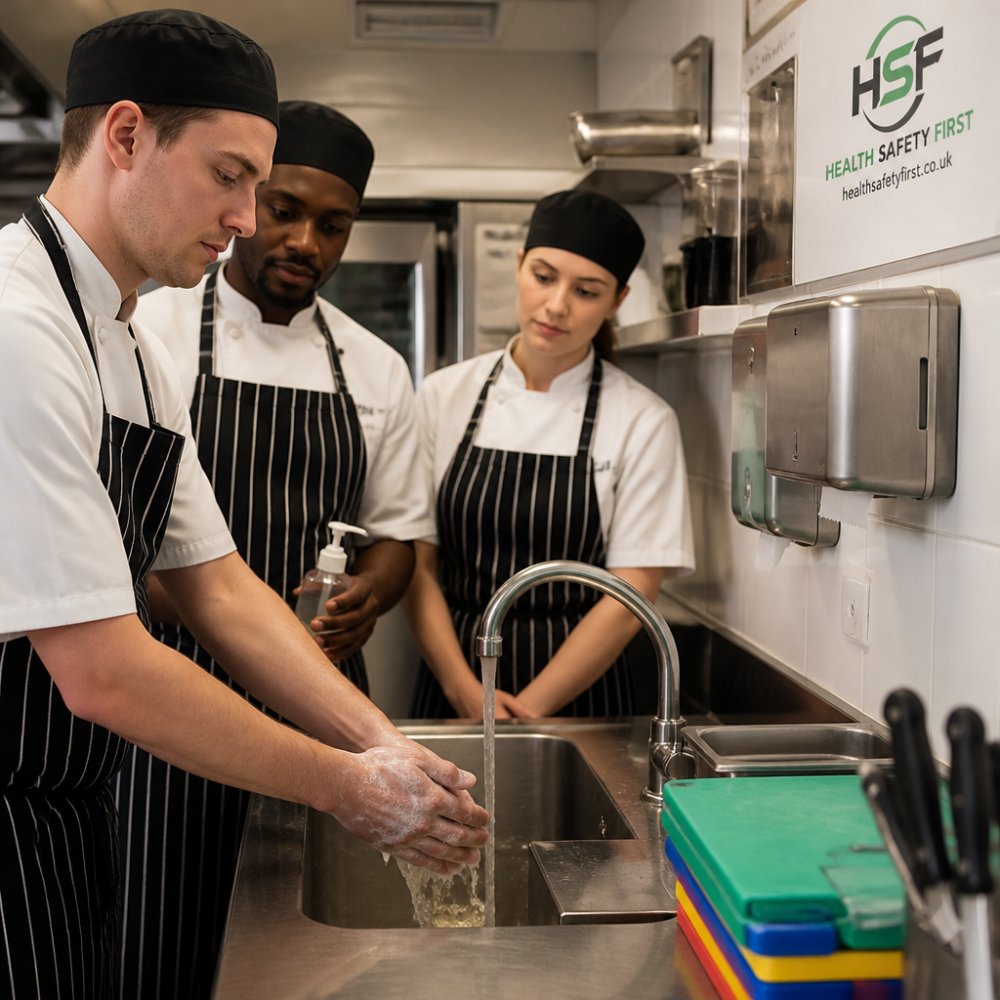
Teach your team to use separate chopping boards, wash hands and utensils between tasks, store allergen-containing ingredients separately, avoid sharing fryer oil, and clean surfaces before allergen-free prep.
Step 4: Test Staff Understanding
After training, ask simple questions: can staff name the 14 allergens, spot hidden allergens, and explain cross-contamination?
Use a short quiz or scenario: "A customer orders a salad but says they're allergic to nuts. What do you do?"
The correct answer: check the menu, check preparation methods, and ask the manager if unsure.
Step 5: Refresh Training Regularly
Refresh training at least once a year, and more often if turnover is high.
How Often Should Restaurant Staff Receive Allergen Training
Staff should receive formal allergen training at induction and at least once yearly, before handling food or taking orders.
Many train new starters in their first week and refresh quarterly. Legally, staff must be competent, so training must keep knowledge current (Training and competence).
Common Mistakes to Avoid
Mistake 1: Treating allergen training as a one-off event. Staff forget. Turnover happens. Training must repeat.
Mistake 2: Not documenting what you've taught. Record who trained, when, and what was covered, this protects you if an incident occurs.
Mistake 3: Assuming all staff know what they need to know. Test them, many cannot name all 14 allergens or explain cross-contamination.
Mistake 4: Not involving front-of-house staff. Servers answer questions and need the same knowledge as kitchen staff.
Mistake 5: Ignoring supplier changes. Switching suppliers changes ingredients, review documentation and retrain if needed.
Frequently Asked Questions
What are the 14 major food allergens restaurant staff need to know about?
The 14 major allergens are: celery, cereals containing gluten, crustaceans, eggs, fish, lupin, milk, molluscs, mustard, peanuts, sesame, soya, sulphites, and tree nuts. UK food businesses must identify these in all dishes and inform customers of their presence. Staff should understand which allergens are in your menu items and how to communicate this clearly to customers with allergies.
How often should restaurant staff receive allergen training?
Staff should receive comprehensive allergen training when they join your restaurant and then annually at minimum. New menu items, seasonal changes, or supplier changes warrant additional refresher sessions. Many businesses conduct quarterly training to maintain awareness and compliance. Document all training sessions with dates and attendee names to demonstrate ongoing commitment to allergen safety.
What should I include in a food allergen training record template?
Your template should record the trainee's name, job role, training date, topics covered, trainer's name, and a signature or confirmation of understanding. Include sections for allergen identification, cross-contamination prevention, customer communication, and emergency response procedures. Keep records for at least three years to demonstrate compliance during inspections and to track which staff members need refresher training.
Food allergen training protects your customers and your business. Start with a simple audit of your menu, create clear documentation, and train your team thoroughly. Refresh training regularly and test their knowledge. UK Health, Safety & Fire Guide provides the resources and frameworks you need to build a compliant allergen management system. Get started today and ensure every member of your team understands the risks and knows how to prevent harm.