 how-to
Prevent Allergen Cross Contamination in Your Kitchen
Table of Contents
- How to Prevent Allergen Cross Contamination in Your Kitchen
- How to Clean Surfaces After Handling Allergens
- Food Allergy Kitchen Checklist for Staff
- Frequently Asked Questions
Last Updated: October 21, 2026
How to Prevent Allergen Cross Contamination in Your Kitchen
Allergen cross contamination happens when food allergens transfer between surfaces, utensils, or hands during food preparation. Even tiny amounts can trigger severe allergic reactions in vulnerable customers. This is a serious food safety risk that requires deliberate prevention strategies.
Preventing allergen cross contamination protects your customers and keeps your business compliant with food safety regulations.
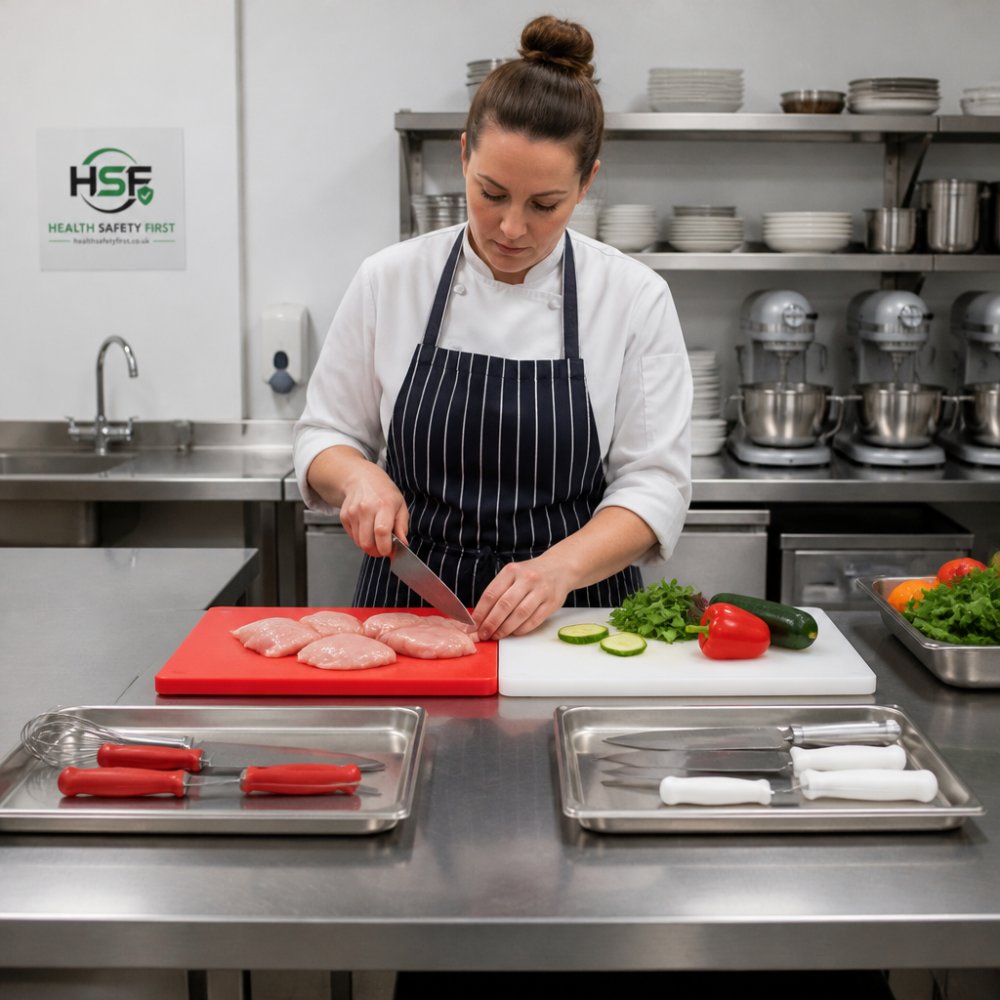
The core principle is simple: keep allergen-containing foods separate from allergen-free foods at every stage. Use dedicated equipment, surfaces, and storage areas for allergen-free preparation.
Start with these essential steps:
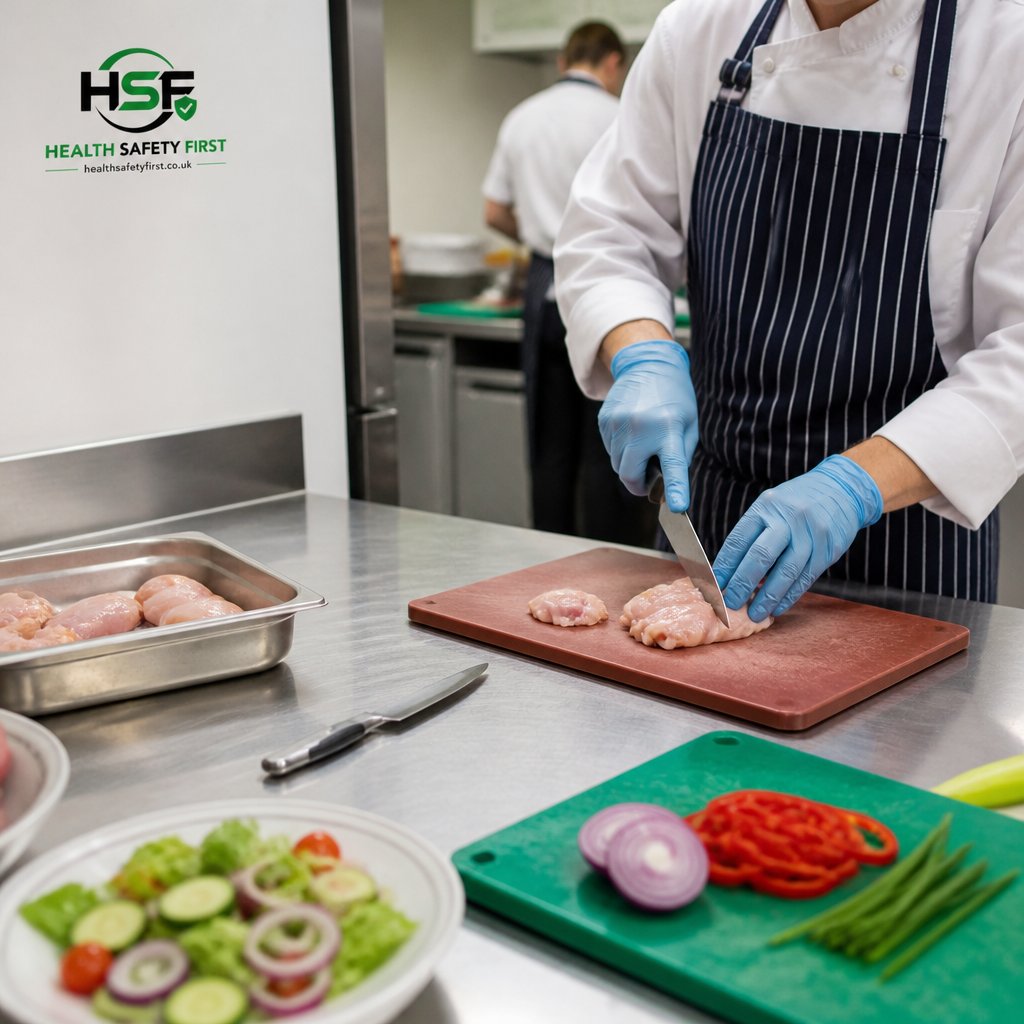
- Assign separate chopping boards for allergen-containing and allergen-free ingredients
- Use colour-coded utensils to prevent mixing
- Store allergen-containing foods on lower shelves, away from allergen-free foods
- Train staff to wash hands between handling different ingredients
- Clean and sanitise surfaces between each food preparation task
How to Clean Surfaces After Handling Allergens
Cleaning surfaces properly removes allergen residue that can contaminate other foods. Use hot water and detergent to break down food particles and allergen proteins.
Your cleaning process should include:
- Wipe surfaces with disposable cloths immediately after handling allergen-containing foods
- Use hot soapy water, allergens require proper detergent, not just water
- Rinse thoroughly with clean water
- Dry with single-use paper towels, not shared cloth towels
- For chopping boards, run through a commercial dishwasher on high heat if available
Allow adequate time between preparation tasks. Many kitchens rush cleaning, leaving traces behind. Build cleaning time into your workflow so staff aren't pressured to skip steps.
Food Allergy Kitchen Checklist for Staff
Your team needs a clear checklist they can follow every shift. This ensures consistency and reduces the risk of mistakes.
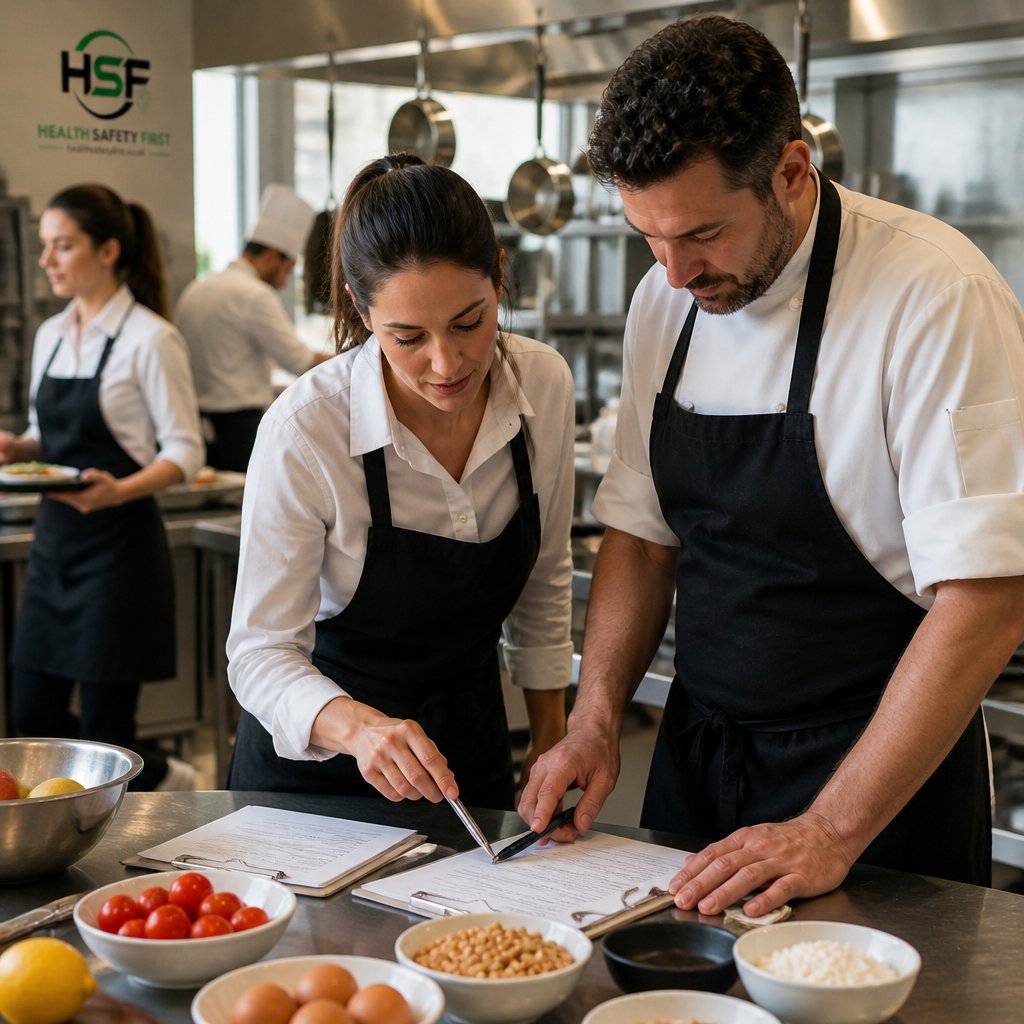
Use this checklist before preparing allergen-free meals:
- Check the order for allergen requirements
- Gather dedicated allergen-free utensils and chopping board
- Wash hands thoroughly with soap and water
- Put on clean gloves if handling multiple ingredients
- Prepare the allergen-free food first, before touching allergen-containing items
- Clean and sanitise all surfaces after finishing
- Document which staff member prepared the meal
Train new staff on this checklist during induction. Run refresher training every six months. Keep a printed copy at each food preparation station.
Frequently Asked Questions
What is the difference between cross-contamination and cross-contact?
Cross-contamination involves physical transfer of allergens through direct contact, such as using the same utensil or chopping board for allergen-containing and allergen-free foods. Cross-contact is unintentional allergen transfer through indirect means, like airborne particles or shared equipment. Both require prevention to protect allergen cross contamination in your kitchen and keep customers safe.
Can separate utensils prevent allergen cross-contamination?
Yes. Dedicated utensils, chopping boards, and preparation areas significantly reduce allergen cross contamination risk. Store separate utensils for allergen-free cooking in a clearly marked location separate from general kitchen tools. Label them distinctly so staff cannot accidentally use them for allergen-containing foods. This simple step is one of the most effective barriers to contamination.
How should allergen-containing foods be stored in a shared kitchen?
Store allergen-containing ingredients on separate shelves, ideally in sealed containers with clear allergen labels. Keep them away from allergen-free preparation areas and below allergen-free items to prevent drips. Use a dedicated shelf in the refrigerator and clearly label all containers. This allergen separation in the kitchen prevents accidental mixing and cross-contact during food preparation.
Allergen cross contamination is preventable with the right systems and training. By implementing dedicated equipment, proper cleaning routines, and staff checklists, you protect your customers and demonstrate your commitment to food safety. For detailed compliance guidance tailored to your kitchen setup, contact UK Health, Safety & Fire Guide to discuss how our resources can support your allergen management plan.